Ergonomic Assessment
Most musculoskeletal problems at work build slowly, from a chair at the wrong height or a cab someone spends nine hours a day in. Our assessments find the cause, recommend what to change, and tell you whether the change is reasonable.
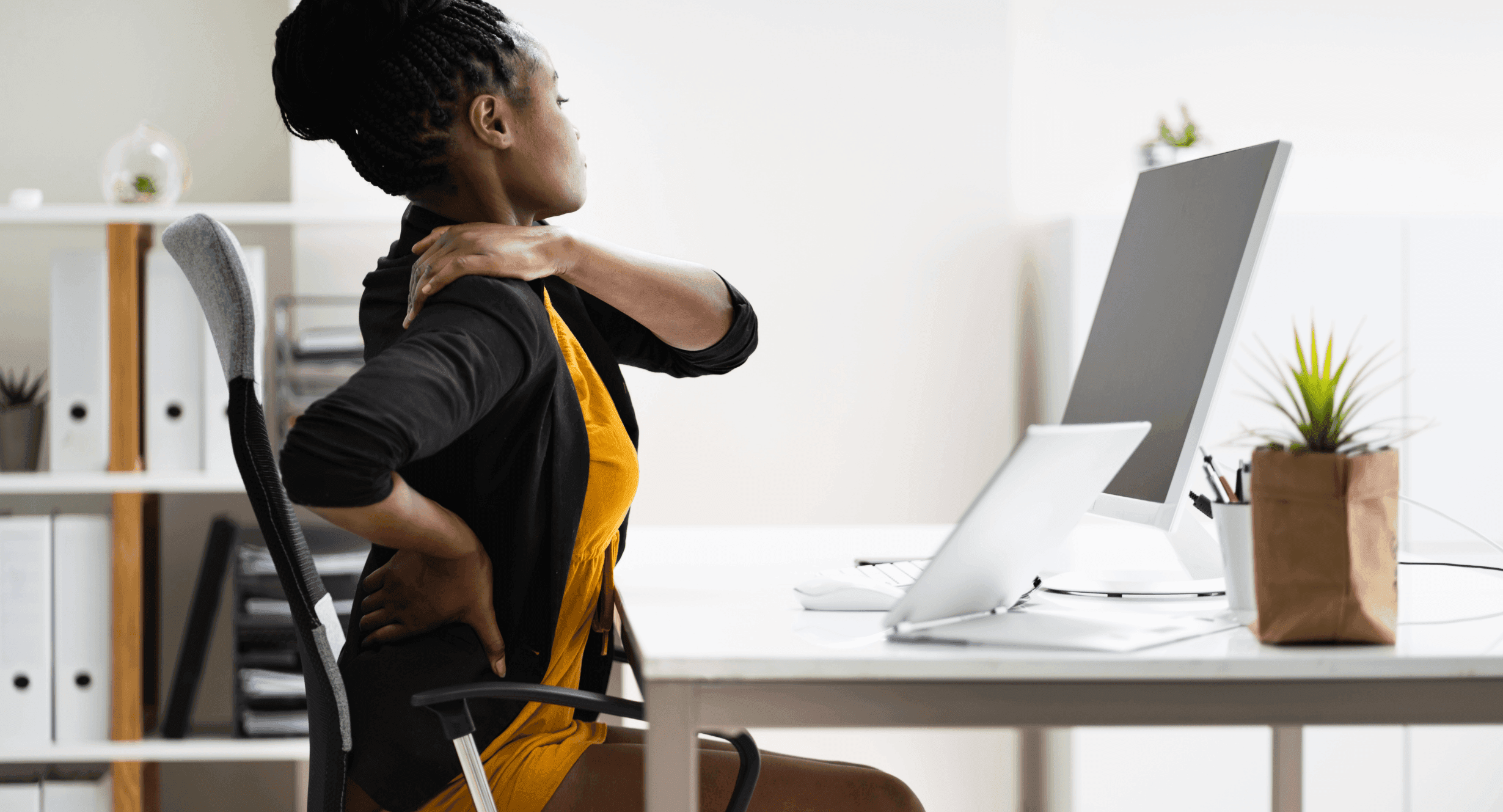
How Ergonomic Assessment works with OccuMed
Under the Health and Safety (Display Screen Equipment) Regulations 1992, you must assess workstations for employees who use display screen equipment regularly, act on the risks you find, and reassess when things change. Most employers do the first part and stop.
An assessment that produces a list of recommendations nobody implements has cost you money and achieved nothing. We tell you what to change, in what order, and what it will cost, so the report leads to a decision rather than a folder.
Assessments are delivered remotely for standard desk-based roles, and in person where the setup is complex, where someone is already symptomatic, or where the workstation is not a desk at all.
- 01
DSE Assessments
Workstation assessments under the Display Screen Equipment Regulations 1992, delivered remotely or in person, with practical recommendations and a clear priority order.
- 02
Driver Posture Assessments
For employees who spend most of the day in a cab or a van. Seat position, mirror and control reach, entry and exit, and the cumulative load of long shifts.
- 03
Functional Capacity Evaluations
Structured measurement of what an employee can physically do, against the demands of a specific role. Used for return to work planning, redeployment decisions and complex capability cases.
- 04
Specialist Equipment Advice
Where equipment is needed, we tell you what would actually help and what would not, so you are not buying an expensive chair that solves nothing.
- 05
Sympomatic Employee Assessments
Where someone is already reporting discomfort, an in-person assessment identifies the cause and what needs to change, before it becomes an absence.


In summary
- Meet your DSE duties with assessments that lead to decisions, not filed reports.
- Remote for standard desk setups, in person where the case needs it.
- Functional capacity evaluations for return to work and redeployment.